Fashion
babyfied apparel: Reinventing Playful Fashion Identity

Introduction
Fashion has always reflected culture, emotion, and identity. In recent years, a distinctive aesthetic has been quietly reshaping modern streetwear and online fashion culture. That aesthetic is centered around innocence, softness, nostalgia, and playful exaggeration. At the heart of this movement sits babyfied apparel, a style concept that blends childlike charm with contemporary design sensibilities.
This emerging fashion category is more than oversized tees with cartoon prints. It represents a cultural shift toward comfort, emotional expression, and self-aware irony. It draws inspiration from early 2000s pop culture, pastel color palettes, soft silhouettes, plush textures, and whimsical graphic storytelling. Yet it also integrates mature streetwear tailoring, thoughtful fabric choices, and elevated branding.
The result is a paradox: clothing that looks youthful but is designed intentionally for adults. The growing popularity of babyfied apparel speaks to something deeper than trend cycles. It reveals how modern consumers are reimagining identity through fashion in an era shaped by digital culture, nostalgia, and emotional vulnerability.
What Is babyfied apparel
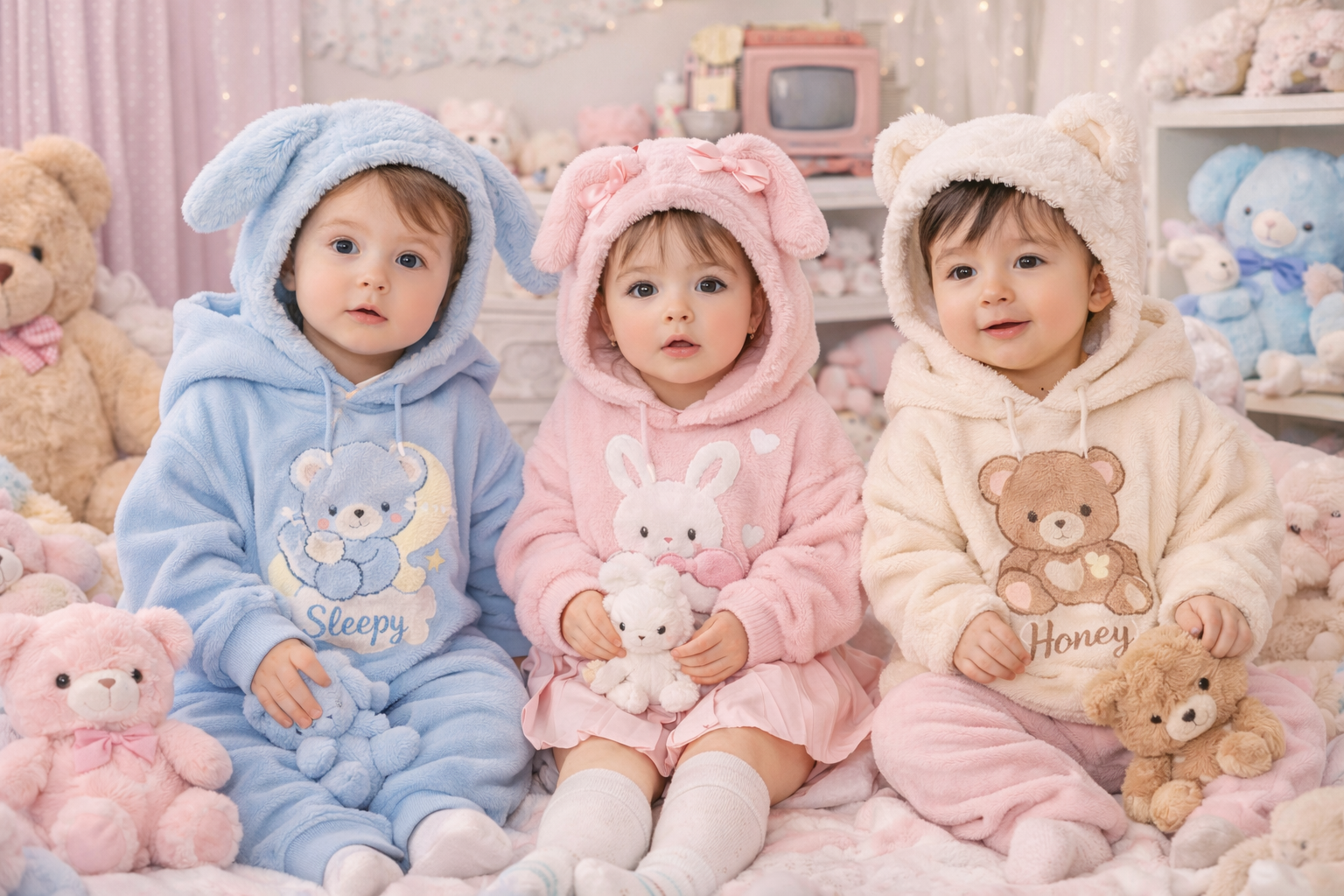
babyfied apparel refers to a fashion aesthetic and clothing category that incorporates baby-like, child-inspired, or innocence-driven design elements into contemporary adult garments. The term “babyfied” suggests transformation—taking an existing concept, silhouette, or garment and infusing it with softness, playfulness, and youthful visual cues.
These cues often include pastel tones such as baby pink, powder blue, mint green, and lavender. Fabrics tend to feel gentle and comforting, including brushed cotton, fleece, velour, and ribbed knit. Graphic motifs frequently involve teddy bears, clouds, cartoon-style illustrations, rounded typography, and nostalgic imagery reminiscent of early childhood.
However, babyfied apparel is not costume wear. It is carefully constructed to balance whimsy with wearability. Hoodies, oversized sweatshirts, cropped cardigans, wide-leg sweatpants, and relaxed-fit tees are common silhouettes. The playful surface details sit on structured cuts that fit seamlessly into everyday wardrobes.
This aesthetic is often linked to digital fashion communities, influencer culture, and youth-driven brands that thrive on social platforms. The emotional undertone of babyfied apparel is softness in a chaotic world. It offers a sense of safety and comfort through visual storytelling.
The Cultural Roots Behind the Aesthetic
To understand babyfied apparel, it is essential to examine the broader cultural forces that shaped it. The early 2000s left a lasting imprint on design language. Cartoon branding, hyper-feminine silhouettes, glitter typography, and pastel-heavy merchandising were dominant at the time. Today’s revival is not accidental; it is driven by nostalgia.
Nostalgia operates as emotional refuge. For many younger consumers, childhood symbolizes simplicity, protection, and joy. In contrast, adulthood often feels uncertain and fast-paced. Wearing babyfied apparel becomes an act of reclaiming emotional comfort while navigating modern pressures.
There is also a strong connection to internet subcultures. Online communities have normalized aesthetic experimentation. Digital spaces celebrate exaggerated femininity, soft masculinity, and non-traditional self-expression. In these environments, playful visuals are not seen as childish but expressive.
The rise of gender-fluid fashion further accelerated the popularity of babyfied apparel. Soft colors and delicate designs are no longer restricted to specific identities. Pastel hoodies and teddy bear graphics appear across diverse audiences, dissolving rigid fashion boundaries.
Design Elements That Define babyfied apparel
The visual language of babyfied apparel is distinctive but nuanced. Its defining features extend beyond obvious pastel color schemes.
Typography often plays a significant role. Rounded fonts, bubble lettering, handwritten scripts, and lowercase branding create a sense of approachability. The visual softness of typography mirrors the emotional tone of the garments.
Fabric choice is equally important. Designers frequently use heavyweight cotton blends to maintain structure while preserving comfort. The tactile experience matters. Clothing that feels gentle against the skin reinforces the aesthetic’s core message.
Proportions are another defining characteristic. Oversized silhouettes evoke coziness and vulnerability, while cropped cuts add modern edge. The interplay between loose and fitted shapes keeps babyfied apparel from appearing overly juvenile.
Graphics are carefully curated. Instead of random cartoon placements, contemporary brands often incorporate subtle embroidery, minimalist mascots, or tonal prints that integrate smoothly into the garment’s design. This refinement distinguishes babyfied apparel from novelty merchandise.
Psychological Appeal and Emotional Connection
One reason babyfied apparel resonates so strongly lies in its psychological impact. Clothing communicates identity before words are spoken. Wearing playful designs signals openness, warmth, and emotional transparency.
Soft aesthetics counteract the hyper-polished, aggressive branding that dominated previous fashion eras. In contrast to bold logos and sharp lines, babyfied apparel embraces vulnerability. It communicates a refusal to conform to hardened personas.
There is also a therapeutic dimension. Research in color psychology suggests pastel tones evoke calmness and reassurance. Rounded shapes are perceived as friendlier than angular forms. When combined, these elements produce garments that visually soothe.
For many consumers, babyfied apparel becomes armor disguised as softness. It provides comfort without sacrificing style. It allows wearers to express playfulness while maintaining self-awareness.
Market Growth and Independent Brand Influence
The expansion of babyfied apparel has been largely driven by independent fashion labels rather than legacy corporations. Small brands often experiment more freely with niche aesthetics. They cultivate loyal communities that connect emotionally with their design philosophy.
Limited drops, curated social media storytelling, and intimate brand narratives have propelled the aesthetic forward. Rather than relying on mass retail, many creators build direct relationships with customers through digital platforms.
This grassroots momentum has attracted attention from larger fashion houses observing shifting consumer behavior. The blending of nostalgia with streetwear sensibility aligns with broader trends toward comfort-driven fashion.
Importantly, babyfied apparel thrives on authenticity. Consumers can easily distinguish between genuine aesthetic storytelling and forced imitation. Brands that succeed in this space understand that softness must feel intentional, not gimmicky.
Styling babyfied apparel in Everyday Life
Despite its distinctive look, babyfied apparel integrates surprisingly well into everyday wardrobes. The key lies in balance.
Pairing a pastel oversized hoodie with neutral trousers grounds the outfit. Combining playful graphics with structured outerwear adds contrast. Layering soft knit cardigans over minimalist basics creates visual depth.
Footwear choices often determine the final tone. Chunky sneakers amplify the streetwear influence, while delicate flats or loafers lean into the nostalgic vibe. Accessories such as mini bags, soft beanies, or subtle jewelry complement the aesthetic without overwhelming it.
The versatility of babyfied apparel challenges the assumption that playful fashion lacks sophistication. With thoughtful styling, these garments transition seamlessly from casual outings to creative workspaces.
Sustainability and Ethical Considerations
As with any growing fashion movement, sustainability remains a crucial conversation. Many independent brands associated with babyfied apparel emphasize small-batch production to reduce waste. Limited releases help prevent overstock and unnecessary inventory.
Consumers drawn to softness and emotional storytelling often value ethical manufacturing as well. Transparency in sourcing, fair labor practices, and durable materials contribute to long-term credibility.
The emphasis on comfort also encourages longevity. Well-made sweatshirts and knitwear pieces become wardrobe staples rather than disposable trends. In this sense, babyfied apparel can align with mindful consumption when produced responsibly.
Criticism and Misconceptions
Not everyone embraces the aesthetic. Critics sometimes argue that babyfied apparel infantilizes adults or promotes escapism. However, this perspective overlooks the nuanced cultural context.
Fashion has always been a medium for rebellion and reinterpretation. What appears childlike on the surface may function as commentary on societal expectations. Choosing softness in a world that often rewards hardness can be quietly radical.
Another misconception is that the aesthetic lacks depth. In reality, successful designs require careful balance. Too much exaggeration risks costume territory, while too little loses identity. Designers operating within babyfied apparel navigate these subtleties intentionally.
The Future of babyfied apparel
Looking ahead, the evolution of babyfied apparel will likely involve increased experimentation with textures, digital art integration, and collaborative storytelling. As augmented reality and virtual fashion experiences expand, playful aesthetics may translate seamlessly into digital wardrobes.
We may also see broader cross-cultural influences. Soft aesthetics rooted in different regions could merge, enriching the movement’s diversity. Rather than fading as a fleeting trend, babyfied apparel appears positioned to evolve alongside shifting conversations about identity and emotional expression.
The continued blending of comfort and creativity suggests lasting relevance. Consumers increasingly prioritize garments that feel meaningful rather than purely decorative. This emotional dimension strengthens the aesthetic’s staying power.
Conclusion
babyfied apparel is not simply a fashion trend built on pastel colors and cartoon motifs. It represents a cultural response to complexity, pressure, and digital hyper-visibility. Through softness, nostalgia, and thoughtful design, it redefines how adults express vulnerability and individuality.
Its growth reflects broader changes in how people view fashion—not merely as status signaling but as emotional communication. By merging playful innocence with mature craftsmanship, babyfied apparel occupies a unique position in contemporary style.
The aesthetic challenges traditional ideas of what adult fashion should look like. It invites wearers to embrace comfort without apology. In doing so, it transforms softness into strength and nostalgia into creative power.
FAQs
What makes babyfied apparel different from regular streetwear?
babyfied apparel distinguishes itself through child-inspired design elements, pastel color schemes, soft textures, and emotionally expressive graphics, while still maintaining modern streetwear silhouettes and quality construction.
Is babyfied apparel only for women?
No, babyfied apparel is gender-inclusive. Its soft aesthetic appeals to diverse audiences and aligns with the growing acceptance of fluid fashion identities.
Can babyfied apparel be worn in professional settings?
It depends on styling. Subtle pieces such as pastel knitwear or minimally embroidered sweatshirts can be integrated into creative or casual professional environments when paired thoughtfully.
Is babyfied apparel sustainable?
Sustainability varies by brand. Many independent labels emphasize limited production runs and ethical sourcing, but consumers should research individual companies before purchasing.
Why has babyfied apparel become popular recently?
Its rise is connected to nostalgia, digital culture, and a broader shift toward comfort-focused fashion. The aesthetic resonates emotionally with consumers seeking softness and authenticity in modern life.

Introduction
In the fast-moving landscape of digital culture, certain names begin to circulate long before the wider public fully understands what they represent. They appear in comment sections, across visual platforms, inside curated feeds, and gradually form a recognizable digital footprint. One such emerging identity is sydneebeeyxo. At first glance, it may seem like just another username in a sea of online aliases, yet a closer look reveals something far more deliberate and culturally reflective.
Digital identities today are rarely accidental. They are constructed, shaped, refined, and positioned. They carry aesthetic intention, emotional messaging, and social signaling. The presence of sydneebeeyxo reflects this modern reality. It represents not just a name but a carefully curated online persona that blends relatability with aspirational appeal. In a time when authenticity and branding collide, identities like this sit at the intersection of personal expression and strategic visibility.
Understanding sydneebeeyxo requires looking beyond surface-level assumptions. It is less about an individual biography and more about how digital identity works in contemporary culture. It offers insight into how usernames evolve into recognizable brands and how personality-driven content shapes online communities.
What Is sydneebeeyxo
What Is sydneebeeyxo? At its core, sydneebeeyxo is a digital persona built around aesthetic consistency, social engagement, and platform-based storytelling. It functions as a recognizable online identity that combines lifestyle expression with personal branding elements. Rather than existing as a static profile, it represents a dynamic presence that interacts with followers, adapts to trends, and participates in broader digital conversations.
The structure of the name itself signals something intentional. The casual yet affectionate “xo” ending suggests warmth, familiarity, and accessibility. This subtle detail plays into modern online culture where tone matters as much as visuals. The name feels personable rather than corporate, intimate rather than distant.
More importantly, sydneebeeyxo operates within the framework of contemporary digital influence. It reflects how individuals today craft identities that balance everyday relatability with curated presentation. The persona is not defined by a single niche alone but by the broader experience it creates for viewers. That layered presence is what transforms a simple username into something more substantial.
The Psychology Behind Digital Handles Like sydneebeeyxo
Usernames are no longer random combinations of letters. They function as emotional entry points. When people encounter a name like sydneebeeyxo, they immediately begin forming impressions. It feels personal, soft, approachable, and slightly stylized. That combination is powerful in digital spaces where first impressions are formed within seconds.
There is a psychological component to why such names resonate. Online audiences gravitate toward identities that feel human rather than overly polished. The subtle imperfections, the rhythmic sound of the name, and the affectionate tone embedded in it all contribute to its memorability. Digital branding research consistently shows that relatability increases trust. A name that feels like a person rather than a product encourages engagement.
sydneebeeyxo fits within this psychological pattern. It signals that behind the screen is someone expressive and socially aware. It implies openness while still maintaining a degree of mystery. That balance is critical in building sustained interest.
The Aesthetic Culture Surrounding sydneebeeyxo
Modern digital identity is inseparable from aesthetics. The way content looks, feels, and flows shapes audience perception. The presence of sydneebeeyxo aligns with the contemporary emphasis on cohesive visual storytelling. Whether through curated imagery, coordinated color palettes, or consistent tone, aesthetic continuity strengthens recognition.
What distinguishes emerging personas like this is the ability to blend lifestyle elements with visual narrative. Rather than presenting disconnected posts, there is often a subtle storyline running beneath the content. This narrative might focus on daily routines, fashion expression, personal growth themes, or social commentary. The strength lies in cohesion.
Digital audiences are highly visual. They process mood before they process message. The aesthetic consistency surrounding sydneebeeyxo enhances credibility. It communicates intention. And intention is what separates casual accounts from influential digital identities.
Community Building and Engagement Dynamics
One of the defining characteristics of modern online success is community. Platforms reward interaction, but audiences reward connection. sydneebeeyxo appears to operate within this engagement-focused model. Instead of broadcasting content in isolation, the persona likely participates in dialogue through comments, responses, and interactive features.
The key distinction between passive and active digital identities lies in how they respond to their audience. Engagement builds familiarity. Familiarity builds loyalty. Loyalty builds long-term presence. This progression is not accidental; it is cultivated through consistent interaction.
Digital communities today value inclusivity and emotional authenticity. Followers want to feel acknowledged. They want responses that feel thoughtful rather than automated. When a persona like sydneebeeyxo fosters this type of environment, it transforms from a simple account into a recognizable community hub.
The Subtle Branding Strategy Behind the Name
Even without corporate backing, many digital identities function as personal brands. Branding in this context is not about logos or formal slogans. It is about emotional association. When audiences encounter the name sydneebeeyxo, they begin attaching feelings, visuals, and expectations to it.
Branding psychology suggests that repetition builds mental imprinting. The more consistently a name appears alongside a specific tone or aesthetic, the stronger the association becomes. Over time, the name itself carries meaning independent of individual posts.
The softness embedded in sydneebeeyxo contributes to a brand personality that feels friendly and expressive. This is particularly important in lifestyle-driven online spaces where tone can determine audience retention. Harsh or overly corporate tones often struggle to maintain long-term engagement in personal content niches. A softer identity fosters approachability.
The Cultural Context of Emerging Digital Personas
To understand sydneebeeyxo fully, it helps to consider the broader digital environment. Today’s internet culture rewards personality-driven storytelling. Audiences connect more deeply with individuals who share experiences rather than faceless content streams.
The rise of micro-influencers demonstrates this shift. Smaller, highly engaged audiences often produce stronger interaction rates than massive but detached followings. Identities like sydneebeeyxo thrive in this ecosystem because they prioritize connection over scale.
There is also a growing emphasis on authenticity. While curated presentation remains important, overly filtered perfection is losing appeal. Viewers respond more positively to balanced transparency. They want to see ambition alongside vulnerability. A digital persona that reflects this balance tends to maintain long-term relevance.
The Balance Between Authenticity and Curation
One of the most interesting aspects of modern online presence is the tension between authenticity and curation. No digital identity is completely unfiltered, yet audiences expect some degree of honesty. The success of sydneebeeyxo likely depends on managing this balance effectively.
Curation ensures consistency. Authenticity ensures trust. Too much of one without the other creates instability. If content feels overly staged, audiences disengage. If it feels chaotic and unstructured, the brand loses clarity.
The art lies in blending structured presentation with natural expression. That blend is what transforms a casual account into a recognizable digital presence. It is also what keeps followers invested beyond initial curiosity.
Monetization Potential and Influence Pathways
While not every digital persona aims for commercial growth, many eventually explore collaborative opportunities. The structure of sydneebeeyxo positions it well within influencer-style ecosystems where partnerships often align with aesthetic and audience alignment.
Influence today is less about follower count and more about engagement quality. Brands increasingly look for communities that trust the creator. When audiences feel personally connected to a digital identity, recommendations carry greater weight.
Even without direct commercialization, digital personas contribute to cultural trends. They influence fashion choices, language patterns, lifestyle aspirations, and social values. In that sense, sydneebeeyxo operates as part of a larger influence network shaping everyday online culture.
Challenges Facing Digital Identities Like sydneebeeyxo
Sustaining an online presence requires emotional resilience. The same visibility that builds opportunity can also invite scrutiny. Public feedback is rarely neutral. It can fluctuate between praise and criticism within hours.
Maintaining creative consistency over time is another challenge. Audiences expect novelty while also expecting familiarity. That paradox can create pressure. Digital fatigue is common among creators who feel compelled to remain constantly visible.
Privacy boundaries also become increasingly important. When a persona grows, curiosity grows with it. Deciding what to share and what to withhold becomes a strategic decision rather than a casual choice.
These challenges do not diminish the impact of sydneebeeyxo. Instead, they highlight the complexity behind maintaining a sustained and respected digital presence.
The Broader Significance of sydneebeeyxo
Beyond individual posts or aesthetic themes, sydneebeeyxo reflects the evolution of identity in the digital age. It demonstrates how names can transform into narratives. It shows how community interaction shapes personal branding. And it underscores the power of tone in shaping perception.
Digital personas are modern storytelling platforms. They function as living portfolios of personality, taste, and social awareness. They evolve in real time alongside audience expectations.
The emergence of identities like this signals a broader cultural shift. We are moving toward a world where online presence is not secondary to offline identity but intertwined with it. Names like sydneebeeyxo are not random; they are intentional expressions of how individuals choose to be perceived.
Conclusion
sydneebeeyxo represents more than a username. It reflects the layered complexity of modern digital identity. From aesthetic cohesion and emotional branding to community building and strategic self-expression, it embodies the evolving structure of online presence.
In today’s environment, visibility alone is not enough. Sustainable digital identity requires consistency, authenticity, and relational depth. The presence of sydneebeeyxo illustrates how these elements combine to form something memorable.
As digital culture continues to evolve, identities like this will play an increasingly significant role in shaping conversations, trends, and social interaction. They remind us that behind every screen name lies a carefully crafted narrative. And when executed with intention, that narrative can resonate far beyond the confines of a single platform.
FAQs
What makes sydneebeeyxo different from other digital usernames?
The distinctiveness lies in its balanced tone, aesthetic cohesion, and the emotional warmth suggested by the name itself. It feels personable while still maintaining curated structure.
Is sydneebeeyxo considered a brand or a personal account?
It operates as a personal digital identity that carries branding characteristics. The consistency in tone and presentation gives it brand-like qualities even if it began as a personal handle.
Why are digital personas like sydneebeeyxo becoming more influential?
Audiences increasingly value relatable storytelling and community interaction. Personas that combine authenticity with thoughtful presentation tend to build stronger connections.
Does sydneebeeyxo rely more on visuals or personality?
Successful digital identities usually blend both. Visual cohesion attracts attention, while personality-driven interaction sustains engagement over time.
Can digital identities like sydneebeeyxo maintain long-term relevance?
Yes, but sustainability depends on adaptability, emotional resilience, and maintaining a balance between authenticity and curated presentation.
Introduction
Fashion trends come and go, but some pieces stay popular because they combine comfort, elegance, and personality. One such trending item in 2025 is the blazertje—a stylish mini blazer that has taken over wardrobes, social media feeds, and street fashion around the world. Loved for its versatility and modern touch, this piece is quickly becoming a must-have for men and women who want effortless style.
Whether you are dressing for a casual day out, a professional meeting, or a smart night event, the blazertje can be styled in countless ways. Its ability to blend with jeans, dresses, shirts, and even athleisure makes it one of the most practical fashion items today. This guide explores everything you need to know—from styling tips to choosing the right fit—so you can wear it with confidence and stand out in any setting.
What Exactly Is a Blazertje?
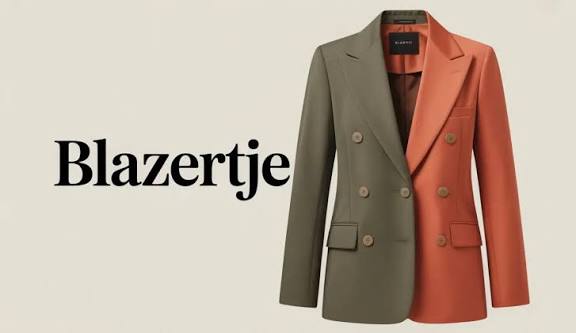
A blazertje is a compact, short-length blazer designed to give a stylish, modern twist to traditional outfits. It sits somewhere between a cropped jacket and a classic blazer, offering structure without being too formal. Its lightweight material and clean-cut design make it ideal for all seasons, especially spring and autumn.
Fashion influencers, stylists, and everyday users love this trend because it adds instant sharpness to an outfit. Even a basic T-shirt looks elevated when paired with a well-fitted blazertje. No wonder it has become a powerful wardrobe essential in 2025.
Why the Blazertje Is Trending in 2025
1. Versatility for Every Outfit
The biggest reason behind this trend is versatility. You can style a blazertje with jeans, skirts, wide-leg trousers, shorts, or dresses. Its compact shape balances outfits without overpowering them, making it ideal for both simple and statement looks.
2. Perfect Balance of Casual and Formal
Traditional blazers can feel too formal for everyday wear. The blazertje solves this problem by offering a relaxed yet polished appearance. You can wear it to a meeting, brunch, date night, or even travel—it adapts effortlessly to the occasion.
3. Social Media Influence
Fashion influencers have played a big role in making this trend viral. Instagram, TikTok, and Pinterest are full of blazertje outfit ideas, inspiring millions to adopt the style. As more brands release new versions, the trend grows even stronger.
4. Works Across Seasons
Its lightweight but structured build means you can use it almost all year. Layer it over a turtleneck in winter, a shirt in autumn, or a tank top in summer. It provides just the right amount of warmth and style.
How to Choose the Perfect Blazertje
Choosing the right blazertje depends on your body shape, personal style, and the occasion. Here are the key factors to consider:
✔ Fit and Size
A good blazertje should sit comfortably on your shoulders and end around your waist or upper hip. Look for a slightly tailored fit—not too tight, not too loose.
✔ Material
Popular materials include:
- Cotton blends
- Lightweight wool
- Linen
- Polyester blends
- Stretch fabric
Choose breathable materials for warmer seasons and thicker ones for cooler months.
✔ Colors
Neutral colors like black, beige, grey, and white are timeless and match any outfit. If you want a bold statement, go for vibrant colors such as red, emerald, cobalt blue, or pastel shades.
✔ Patterns
Patterns like check, plaid, herringbone, and stripes are trending. Choose a subtle pattern for professional looks or a bold one for casual wear.
Styling a Blazertje for Different Occasions
### 1. Casual Everyday Style
Pair your blazertje with:
- Jeans and a plain T-shirt
- Sneakers or flat shoes
- Minimal accessories
This gives a relaxed yet stylish appearance—perfect for coffee runs or casual hangouts.
### 2. Office or Professional Wear
For a polished look:
- Match it with tailored trousers
- Wear a button-down shirt underneath
- Add loafers or low heels
This combination keeps you comfortable while maintaining a professional appearance.
### 3. Night Out or Party Look
For an evening vibe:
- Combine your blazertje with a dress or skirt
- Choose metallic or bold colors
- Add statement accessories
This creates a chic, confident look suitable for dinners or events.
### 4. Travel-Friendly Styling
Its lightweight design makes the blazertje perfect for travel:
- Layer it over a breathable shirt
- Pair with stretch jeans or leggings
- Choose comfortable walking shoes
You stay stylish while moving easily.
Top Blazertje Colors and Patterns in 2025
Neutral Colors
Neutral tones remain the most popular because they work with almost anything. Beige and soft grey are leading the trend this year, especially in minimalist fashion.
Bold Colors
Bright colors are trending for people who like making a confident style statement. Red, emerald green, and bright blue are frequently seen in influencer fashion.
Patterns and Textures
Plaid, check patterns, and textured fabrics offer depth and uniqueness. They are perfect for autumn and winter styling.
Best Ways to Accessorize Your Blazertje
Accessories bring out the best in this trend. Here’s how to elevate your outfit:
✔ Jewelry
- Simple gold or silver chains
- Hoops or stud earrings
- A clean wristwatch
These add sophistication without overpowering the outfit.
✔ Bags
- Crossbody bags
- Minimalist handbags
- Structured totes
Match the color of your bag with your blazertje or with your shoes for a coordinated look.
✔ Shoes
Different shoes can completely change your look:
- Sneakers for a casual vibe
- Boots for a strong autumn look
- Heels for a party or formal look
How to Care for Your Blazertje
To make your blazertje last longer, follow these simple care tips:
✔ Read the Label
Always check the care instructions provided by the brand.
✔ Proper Washing
Most blazertjes should be dry-cleaned or washed gently to maintain their shape.
✔ Hanging Instead of Folding
Use hangers to prevent wrinkles and keep the structure intact.
✔ Storage Tips
Keep it in a cool, ventilated space. Use garment bags for long-term storage.
Where to Buy a High-Quality Blazertje
You can find blazertjes in:
- Fashion boutiques
- Online fashion stores
- Brand outlets
- Seasonal sales
- Thrift shops for unique vintage pieces
When shopping online, always check sizing charts, user reviews, and fabric details to ensure you get the right fit.
Benefits of Wearing a Blazertje
1. Boosts Confidence
A structured look naturally makes you feel more confident and put together.
2. Saves Time
You can quickly build a stylish outfit by adding a blazertje, especially when you’re in a hurry.
3. Suitable for All Ages
Whether you are a student, a working professional, or someone who loves fashion, this style works for everyone.
4. Cost-Effective
You don’t need many pieces. One or two high-quality blazertjes can help you create dozens of outfit combinations.
Common Mistakes to Avoid
❌ Wearing the Wrong Fit
A too-tight or too-loose blazertje can ruin your entire look.
❌ Mixing Too Many Patterns
Keep balance. If your blazertje has a bold design, wear simple inner layers.
❌ Over-accessorizing
Let the blazertje be the hero piece of your outfit.
Conclusion
The blazertje has become a major fashion favorite in 2025, and for good reason. It’s a stylish, flexible, and practical piece that fits into all types of wardrobes. Whether you prefer minimal outfits or bold fashion statements, a blazertje helps you create a polished look with minimal effort. With just a bit of creativity, you can turn this simple item into a powerful style tool.
As fashion continues evolving, the blazertje stands out as a trend that blends modern design with everyday comfort. If you’re looking to upgrade your wardrobe and stay ahead of current trends, this is the perfect piece to add. Choose the right color, style it smartly, and express your personal style with confidence.
In today’s fast-paced business world, the way we present ourselves speaks volumes about our professional identity. Whether you’re pitching to investors or leading a team, the right clothing can make all the difference. Enter the blazertje — a staple in the wardrobes of entrepreneurs and business owners alike. But how can this timeless garment still be relevant in 2025? And why should small business owners, startups, and entrepreneurs embrace it more than ever?
In this article, we’ll explore the significance of the blazertje in 2025, why it matters more than just as a fashion statement, and how it can serve as a secret weapon for success. By the end, you’ll understand why adding a blazertje to your wardrobe is an investment in your confidence, your brand, and your business.
What is a Blazertje?
At its core, a blazertje is a tailored, versatile jacket that blends professional elegance with a hint of casual comfort. Unlike the stiff, formal blazers of the past, the blazertje exudes a sense of modernity and flexibility, making it perfect for today’s entrepreneurial climate.
Its origins can be traced back to traditional businesswear, but the modern blazertje has evolved to accommodate the diverse needs of today’s professional. Made from lighter fabrics and often available in a wide range of colors and styles, the blazertje offers the perfect balance between professionalism and approachability.
In 2025, its adaptability makes it a must-have for small business owners. Whether attending meetings, speaking at conferences, or networking, this wardrobe essential helps you leave a lasting impression without the heavy, stiff feeling of outdated office wear.
Why Blazertjes Matter in 2025
The rapid evolution of remote work and the rise of virtual meetings have shifted how business professionals dress. In an era where digital presence often matters more than physical presence, the blazertje has become a symbol of professional adaptability and modernity.
1. The Confidence Boost
How we dress directly impacts our mindset and confidence. The act of donning a well-tailored blazertje can create a shift in your self-perception, leading to greater self-assurance in business interactions. Think of it as your invisible armor — a way to project professionalism without saying a word.
2. Professionalism in Every Setting
Whether you’re in a high-stakes board meeting, a Zoom call with investors, or a casual coffee with a potential client, the blazertje adapts. Its versatility allows you to look put-together without overdoing it. You can wear it with jeans for a relaxed vibe or pair it with formal trousers for a polished look.
3. Building Your Brand Identity
As a small business owner, every interaction is an opportunity to reinforce your brand. The blazertje plays a role in establishing your visual identity, helping you appear trustworthy and credible. It’s a subtle way of signaling that you take your business — and yourself — seriously.
Step-by-Step Guide to Styling Your Blazertje
Now that we’ve established why blazertjes matter, let’s dive into how you can incorporate them into your daily business attire.
Step 1: Choose the Right Fit
Not all blazertjes are created equal. The fit is crucial. Too tight and you’ll look uncomfortable; too loose and it may lack the polished effect you’re going for. When selecting a blazertje, focus on a tailored fit that hugs your shoulders and tapers at the waist. If you’re unsure about sizing, many brands offer custom or semi-custom fits.
Step 2: Pick the Right Color
While classic black is always a safe choice, modern blazertjes come in an array of colors. Dark navy, grey, and muted earth tones are great for professional settings. However, lighter colors such as pastel blues or soft greys can work well for more casual, creative environments.
Step 3: Accessorize Smartly
A key to making your blazertje stand out is in the details. Pair it with a sleek, understated watch or a leather briefcase to amplify the professionalism. Keep accessories simple but intentional, allowing the blazertje to remain the focal point of your look.
Common Mistakes to Avoid
As with any clothing choice, there are common pitfalls to avoid when styling a blazertje. Here are a few to watch out for:
1. Overdoing the Formality
While the blazertje is a versatile piece, it can look too formal if not styled correctly. Avoid pairing it with overly stiff shirts or heavy accessories that might take away from the relaxed yet professional vibe the blazertje offers.
2. Ignoring the Fit
A poorly fitting blazertje can ruin the entire look. Avoid overly baggy or ill-fitting options. Always try it on before buying and, if necessary, take it to a tailor for a personalized fit.
3. Choosing the Wrong Fabric for the Season
The blazertje is great for year-round wear, but make sure to choose fabrics that suit the season. Opt for lighter fabrics like linen or cotton during the warmer months, and heavier materials like wool or tweed for the colder months.
Case Study: Blazertjes in the Real World
Let’s take a look at how the blazertje has become an essential for entrepreneurs in real-world business settings.
Consider the example of Jessica, a small business owner who recently launched her digital marketing agency. Jessica started noticing a difference in how clients responded to her during meetings after she started wearing her tailored blazertje regularly. She found that clients were more receptive, viewing her as professional and serious about her business. It wasn’t just about the clothing — it was about the confidence and authority she projected in her blazertje.
Similarly, David, an entrepreneur in the tech industry, found that wearing his blazertje to networking events helped him build connections. As someone who was previously hesitant to make the first move at such events, he noticed that people began approaching him more often. His choice of attire signaled credibility without him having to speak.
Benefits of Wearing a Blazertje
- Versatility: Works in both formal and informal business settings.
- Increased Confidence: A sharp look makes you feel more assured and in control.
- Brand Identity: Helps solidify your professional image.
- Time-Saving: Easy to mix and match with various outfits, making it an effortless choice for daily wear.
Challenges of Wearing a Blazertje
- Cost: A well-made blazertje can be expensive, especially if you’re opting for high-quality fabric or a tailored fit.
- Maintenance: Regular dry cleaning or delicate washing is required to keep the garment in top condition.
- Over-styling: When not paired correctly, a blazertje can appear overly formal or out of place.
Future Trends: Blazertjes in 2025 and Beyond
As fashion continues to evolve, so does the blazertje. In the next few years, expect to see more sustainability in the materials used for blazertjes, with a focus on eco-friendly fabrics and ethical manufacturing practices. The trend towards customizable clothing will also make its way into the blazertje market, allowing business owners to create a personal, brand-driven wardrobe.
FAQs
Q1: Can I wear a blazertje to a casual event?
Yes! The blazertje is versatile enough to wear to casual events when paired with the right accessories, like jeans and a t-shirt.
Q2: How should I care for my blazertje?
To keep it in top condition, it’s best to dry clean your blazertje regularly. Always store it properly to avoid wrinkles.
Q3: What colors are best for business owners?
Neutral tones like navy, black, grey, and beige work well in most business environments.
Q4: Can a blazertje work for startup owners in creative fields?
Absolutely! A blazertje can be dressed down for a creative and more relaxed look, providing the perfect blend of professionalism and approachability.
Conclusion + Call to Action
In 2025, the blazertje is more than just a piece of clothing — it’s a reflection of your professionalism, confidence, and adaptability. Whether you’re building your brand, networking, or managing a team, this versatile garment can make a significant impact. Don’t miss out on the opportunity to elevate your business image. Invest in a well-tailored blazertje today and start making a lasting impression.

How Himalayan Yak Chews Support Dental Strength Naturally

plftiger: The Rising Digital Identity Shaping Online Culture

obstetrika: The Living Science of Birth and Care

janet condra: A Remarkable Story of Vision and Achievement
plftiger: The Rising Digital Identity Shaping Online Culture