
Sports
China Olympic Games Tokyo 2020: A Complete Performance Overview

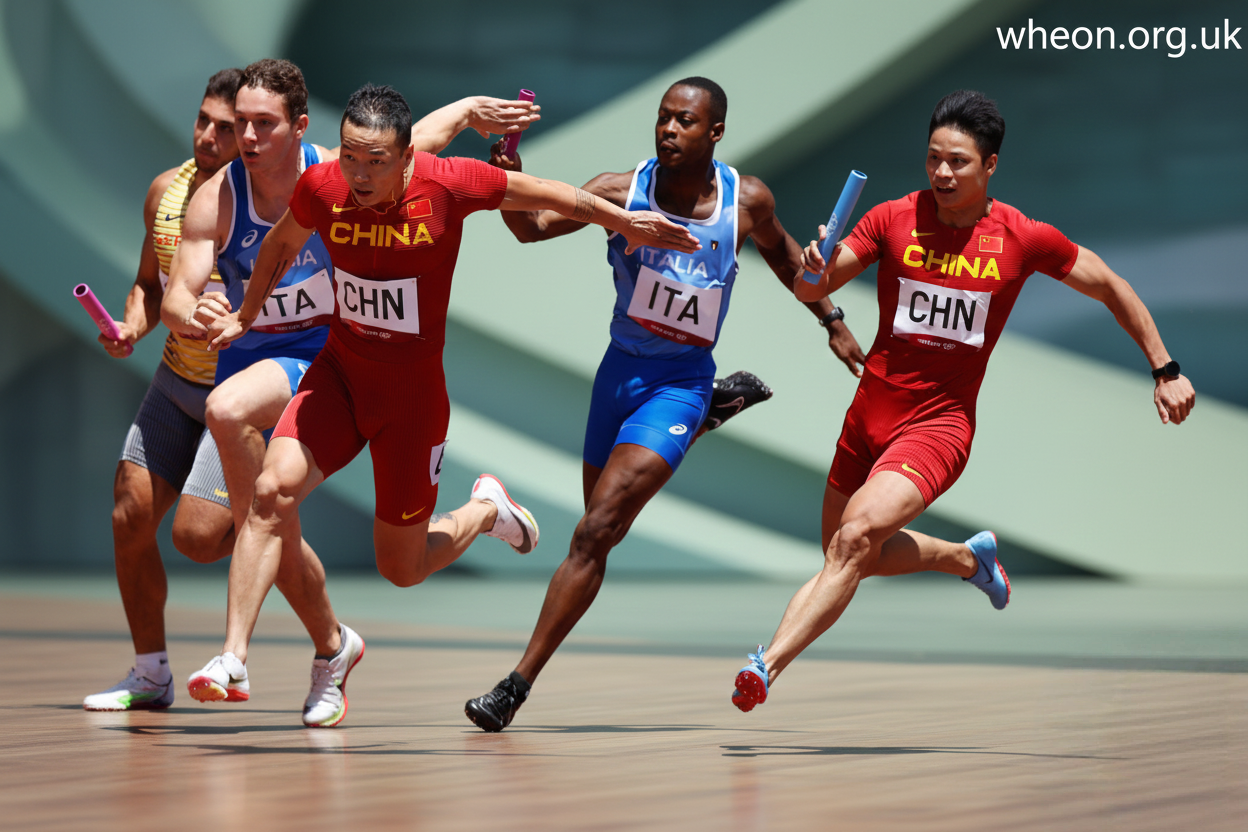
The china olympic games tokyo 2020 campaign was one of the most talked-about sporting stories of the decade. Despite global challenges and intense competition, China delivered a powerful performance that once again confirmed its status as a global sporting powerhouse. The Tokyo Games, officially known as the , showcased China’s depth in athletics, discipline-based sports, and long-term investment in elite training.
This article provides a complete overview of China’s journey at Tokyo 2020, including medal success, standout sports, star athletes, and the broader impact of the Games on Chinese sports development.
Background of Tokyo 2020 and China’s Preparation
The Tokyo Olympics were unique in history due to their postponement from 2020 to 2021. Athletes competed under strict health protocols in , with empty stadiums and limited travel. For China, preparation was meticulous and data-driven. Training camps were adjusted, domestic competitions were increased, and sports science played a key role in maintaining athlete performance.
China’s Olympic delegation focused on consistency, mental resilience, and technical excellence. The result was a highly disciplined team that adapted quickly to the unusual Olympic environment.
China’s Medal Tally at Tokyo 2020
In the china olympic games tokyo 2020, China finished near the top of the medal table, competing closely with the world’s strongest sporting nations. China secured a high number of gold medals, particularly in traditional strength sports.
Key highlights of China’s medal performance included:
- Strong dominance in diving and table tennis
- Multiple gold medals in weightlifting
- Breakthrough performances in athletics and cycling
- Consistent podium finishes across shooting events
China’s overall medal haul reflected years of structured planning and elite athlete development.
Dominance in Diving and Table Tennis
Diving and table tennis once again became symbols of China’s Olympic success at Tokyo 2020. Chinese divers demonstrated near-perfect execution, technical difficulty, and composure under pressure. Several events resulted in gold and silver finishes for China, underlining the nation’s unmatched depth in the sport.
Table tennis, often described as China’s national sport, delivered historic moments. Chinese players dominated singles and team events, showing speed, precision, and tactical intelligence. These performances were a major reason the china olympic games tokyo 2020 campaign was considered a success by fans and analysts alike.
Weightlifting and Shooting Excellence
Weightlifting remained a cornerstone of China’s Olympic strategy. Chinese lifters broke Olympic records and showcased flawless technique across multiple weight categories. Their success came from strict discipline, early talent identification, and scientific training methods.
Shooting also proved to be a reliable medal source. Chinese shooters performed exceptionally well in rifle and pistol events, often maintaining calm focus during high-pressure finals. These sports collectively contributed significantly to China’s overall medal count.
Breakthrough Sports and New Achievements
One of the most exciting aspects of the china olympic games tokyo 2020 was China’s progress in newer or traditionally weaker sports. Chinese athletes earned medals in track cycling, athletics, and canoe sprint events, signaling a shift toward broader Olympic competitiveness.
These achievements showed China’s evolving sports strategy—moving beyond dominance in a few disciplines to becoming competitive across a wider Olympic spectrum.
Star Athletes and Team Spirit
China’s Tokyo 2020 squad included experienced champions and rising stars. Veteran athletes provided leadership, while young competitors impressed with fearless performances. Team unity, discipline, and national pride were clearly visible throughout the Games.
The athletes’ behavior on and off the field earned respect worldwide. Their professionalism reinforced China’s image as a serious and respected Olympic nation.
Challenges Faced by China at Tokyo 2020
Despite the success, the china olympic games tokyo 2020 journey was not without challenges. Strict bio-security measures, intense media scrutiny, and strong global competition tested Chinese athletes mentally and physically.
Some expected gold medals were missed, particularly in events where competition levels had risen globally. However, China’s ability to remain competitive across most sports showed resilience and adaptability.
Impact of Tokyo 2020 on Chinese Sports
The Tokyo Olympics had a lasting impact on China’s sports system. Success inspired millions of young athletes across , while lessons from defeats influenced future training programs. Investment in youth sports, coaching education, and international exposure increased after the Games.
Tokyo 2020 also reinforced the importance of mental health, recovery science, and balanced athlete development in China’s Olympic planning.
Conclusion
The china olympic games tokyo 2020 performance was a powerful demonstration of discipline, preparation, and sporting excellence. From dominance in traditional sports to breakthroughs in new disciplines, China proved its ability to adapt and compete at the highest level—even under extraordinary circumstances.
Introduction: The Battle of Strategies – Ker vs GCC
In the fast-paced world of business, choosing the right strategic approach can make or break your growth. For small business owners and entrepreneurs, navigating through a sea of frameworks, strategies, and options can feel overwhelming. Two acronyms that have been gaining traction in 2025 are KER (Key Event Response) and GCC (Global Consumer Culture). But what exactly are they, and how can they influence the way you approach your business?
In this post, we’ll break down what KER and GCC mean, why they matter for small businesses in 2025, and how you can use these approaches to scale your company in a rapidly changing market.
What is KER (Key Event Response)?
KER, or Key Event Response, is a business strategy that focuses on capitalizing on significant, often unforeseen, events that impact your industry or niche. Think of it like surfacing at the right time with the right solution. These events could be anything from a global crisis, a shift in consumer behavior, or even a viral social media trend. It’s about being quick to adapt and use a unique event to fuel your business growth.
Example:
During the 2020 pandemic, many businesses quickly pivoted to e-commerce solutions in response to lockdown measures. Companies that utilized the KER strategy managed to stay relevant by quickly meeting new consumer demands.
What is GCC (Global Consumer Culture)?
On the other hand, GCC, or Global Consumer Culture, refers to a broader, more global approach that looks at shaping your business around a larger, increasingly interconnected world market. It’s about tapping into a shared global identity among consumers, especially as social media and technology make the world feel smaller.
Example:
Brands like Nike and Apple excel at GCC by aligning themselves with values such as inclusivity, innovation, and social awareness. These brands don’t just sell products; they sell an idea that resonates with a global audience.
Why KER vs GCC Matters in 2025:
In 2025, both strategies are particularly relevant due to several shifts in consumer behavior and global business trends.
- The Digital Transformation: As businesses continue their digital transformation, responding quickly to key events (KER) and aligning with global values (GCC) becomes even more critical.
- Globalization and Connectivity: With the world more interconnected than ever, adopting a GCC approach allows businesses to create campaigns and products that resonate universally. But in the face of constant change, KER allows businesses to stay nimble and adaptive.
Step-by-Step Explanation of KER vs GCC:
KER: Key Event Response in Action
- Monitor the Market: Stay aware of external factors—whether it’s a global crisis, political change, or viral trend.
- Quick Action: Once you identify a key event that aligns with your brand values, take immediate action.
- Innovate and Adapt: Launch products, services, or campaigns that reflect the changing landscape.
- Maximize the Moment: Promote your efforts through digital channels like social media or email marketing to get maximum exposure.
GCC: Shaping a Global Consumer Identity
- Identify Global Trends: Look for consumer behavior trends that span borders, like sustainability, inclusivity, or digital transformation.
- Align Your Brand: Position your brand as a part of these larger trends by crafting your message around global values.
- Engage Globally: Create campaigns and content that speak to diverse audiences while maintaining a unified brand message.
- Leverage Technology: Use platforms like Instagram, TikTok, and YouTube to create viral campaigns that cater to global tastes.
Tools and Strategies to Implement KER & GCC:
Tools for KER:
- Social Listening Tools: Platforms like Brandwatch or Hootsuite allow businesses to track emerging trends and key events in real-time.
- Crisis Management Software: Tools like Everbridge can help manage responses to large-scale disruptions.
- Event-triggered Marketing: Use automation tools like HubSpot to trigger emails or campaigns based on market shifts.
Tools for GCC:
- Global Analytics: Tools like Google Analytics or SEMrush help track global trends and user behavior across borders.
- Brand Positioning Software: Platforms such as Brandwatch or Sprout Social allow businesses to align their messaging with global culture.
- Global Content Creation Tools: Use platforms like Canva or Adobe Spark to create visually engaging content tailored to global audiences.
Common Mistakes in KER & GCC Strategies (And How to Avoid Them):
Mistakes with KER:
- Overreaction: Jumping on every trend without a clear strategy can dilute your brand.
- Lack of Planning: While quick action is essential, not having a solid plan behind your response can lead to missed opportunities.
How to Avoid Them: Ensure your responses are aligned with your brand values. Have a quick-response plan in place, but ensure it’s always strategic.
Mistakes with GCC:
- Cultural Insensitivity: Ignoring the cultural nuances of global audiences can backfire.
- Inauthenticity: Global campaigns can seem disingenuous if they don’t reflect your true brand identity.
How to Avoid Them: Do your research. Understand the cultural context of the regions you’re targeting, and always stay authentic.
Benefits of KER & GCC:
KER Benefits:
- Rapid Growth: By capitalizing on key events, your business can grow quickly.
- Increased Brand Awareness: Responding effectively to global trends or crises boosts visibility.
- Market Differentiation: Quick adaptation allows you to stand out from competitors.
GCC Benefits:
- Broader Market Reach: GCC connects your brand with global audiences, expanding your customer base.
- Stronger Brand Loyalty: Aligning with global values builds trust and customer loyalty.
- Sustainability: As consumers increasingly demand ethical and socially responsible brands, GCC allows you to position yourself as a responsible brand.
Challenges & Cons of KER & GCC:
Challenges with KER:
- Risk of Overextension: Constantly shifting with the trends can stretch your resources thin.
- Short-term Focus: Focusing too heavily on trends may lead to a lack of long-term vision.
Challenges with GCC:
- Cultural Barriers: Understanding diverse cultures can be a challenge, and a misstep can damage your brand.
- High Competition: Global markets are saturated, making it harder to stand out without a unique angle.
Future Trends in KER vs GCC:
As we move further into 2025 and beyond, KER will continue to evolve with the rise of AI-powered analytics that help businesses spot trends faster. GCC, on the other hand, will see greater integration of sustainability and inclusivity as driving forces for global consumer behaviors. Expect an increasing demand for businesses to create more meaningful and socially responsible campaigns that resonate with a global audience.
FAQs:
Q1: What’s the difference between KER and GCC?
A1: KER focuses on quick responses to significant events, while GCC aligns your brand with global consumer values and trends.
Q2: How can small businesses leverage KER?
A2: Small businesses can monitor market trends and use social media or email marketing to quickly capitalize on emerging events.
Q3: What are the risks of focusing too heavily on KER?
A3: The main risk is overextending your business resources or shifting your focus too much from long-term growth.
Conclusion: Navigating the Future of Small Business Strategies
Choosing between ker vs gcc isn’t necessarily a matter of “one or the other.” In fact, the best small businesses in 2025 will be those that can blend both strategies—responding to key events swiftly, while also aligning with global consumer trends and values. The key is to remain adaptable, authentic, and aware of your audience’s ever-changing expectations.

Introduction
In the world of professional football, trash talk and player commentary are as much a part of the game as touchdowns and tackles. Recently, Davante Adams took a swipe at the Bears, sparking conversations across NFL circles and social media. The Las Vegas Raiders wide receiver didn’t hold back when discussing the Chicago Bears, and his comments have reignited debates about the franchise’s direction and competitive standing in the league.
But what exactly did Adams say? Why did he feel compelled to call out the Bears? And what does this mean for both teams moving forward? In this article, we’ll dive deep into the controversy, explore the context behind Adams’ remarks, examine the Bears’ current situation, and discuss what this means for the NFL landscape. Whether you’re a die-hard football fan or just curious about the latest drama, we’ve got you covered with all the details.
What Did Davante Adams Say About the Bears?
Davante Adams, known for his elite receiving skills and candid personality, made waves when he shared his thoughts about the Chicago Bears during a recent interview. While discussing potential landing spots in the NFL or reflecting on competitive teams in the league, Adams made it clear that the Bears didn’t meet his standards for a winning organization.
The exact nature of his comments centered on several key points:
- The Bears’ lack of consistent success in recent seasons
- Questions about the organization’s ability to build a competitive roster
- Concerns about the team’s quarterback situation and offensive infrastructure
- The franchise’s struggles to attract and retain top-tier talent
Adams’ remarks weren’t necessarily malicious, but they were brutally honest. He essentially suggested that playing for the Bears wouldn’t align with his championship aspirations, which is a sentiment that stings for Chicago fans who’ve watched their beloved team struggle through multiple rebuilding phases.
The Context Behind Adams’ Comments
To fully understand why Davante Adams took a swipe at the Bears, we need to examine the broader context. Adams has established himself as one of the premier wide receivers in the NFL, having spent most of his career with the Green Bay Packers before joining the Raiders. Throughout his time in Green Bay, Adams experienced consistent playoff appearances and developed chemistry with quarterback Aaron Rodgers.
Several factors likely influenced his perspective:
- Competitive Standards: Adams has played in high-stakes games throughout his career and understands what it takes to compete for championships.
- Franchise Stability: The Bears have cycled through multiple head coaches, general managers, and quarterbacks in recent years, creating an atmosphere of instability.
- Division Rivalry History: Having played in the NFC North with the Packers, Adams witnessed firsthand the Bears’ struggles to compete at a high level consistently.
- Personal Career Goals: At this stage of his career, Adams prioritizes winning over everything else, making organizations like the Bears less attractive destinations.
These comments also came during a period when Adams’ future with the Raiders was uncertain, leading to speculation about potential trade destinations and his preferences for where he’d want to play next.
The Bears’ Recent Struggles: Why They’re Being Called Out
It’s impossible to discuss Davante Adams‘ comments without acknowledging the reality of the Chicago Bears’ situation. The franchise, once known for its legendary defenses and competitive spirit, has fallen on hard times in recent decades.
Quarterback Carousel
The Bears have struggled to find a franchise quarterback since the days of Jay Cutler. Despite drafting Mitchell Trubisky second overall in 2017, trading for Justin Fields in 2021, and later selecting Caleb Williams first overall in 2024, the team hasn’t found sustained success at the position. This quarterback uncertainty has made it difficult for the Bears to attract elite offensive weapons.
Coaching Instability
Chicago has cycled through multiple head coaches in recent years, including Marc Trestman, John Fox, Matt Nagy, and Matt Eberflus. This constant turnover creates challenges in establishing a consistent system and culture that players want to be part of.
Offensive Infrastructure Issues
The Bears have historically struggled to build a modern, explosive offense. Despite having talented players at various points, the team has consistently ranked near the bottom in offensive production, making it an unattractive destination for skill position players like Adams.
Playoff Drought
The Bears haven’t won a playoff game since 2010, when they defeated the Seattle Seahawks in the divisional round. This extended drought has damaged the franchise’s reputation as a destination for players seeking championship opportunities.
How Bears Fans Reacted to Adams’ Comments
Unsurprisingly, Bears fans had strong reactions to Davante Adams taking a swipe at their team. Social media platforms exploded with responses ranging from defensive anger to resigned acceptance.
Fan reactions fell into several categories:
- Defensive Responses: Many fans pointed out Adams’ lack of recent success with the Raiders, noting that his team wasn’t exactly setting the world on fire either.
- Frustrated Agreement: Some Bears faithful acknowledged the painful truth in Adams’ words, expressing frustration with the organization’s management and direction.
- Historical Pride: Numerous fans reminded critics of the Bears’ storied history, including their 1985 Super Bowl championship and legendary players like Walter Payton, Dick Butkus, and Mike Ditka.
- Optimistic Defiance: A segment of the fanbase expressed confidence that recent draft picks and organizational changes would prove doubters like Adams wrong in the coming years.
The Bears’ struggles are well-documented, so Adams’ comments, while harsh, weren’t entirely shocking to those who’ve followed the team closely.
What This Means for the Bears’ Reputation
When a player of Davante Adams’ caliber publicly expresses disinterest in joining an organization, it sends ripples throughout the league. The Bears already face challenges in free agency, and comments like these don’t help their cause.
Impact on Free Agent Recruitment
Top-tier free agents typically want to join contending teams with stable leadership and competitive rosters. When high-profile players like Adams openly criticize or dismiss the Bears, it reinforces negative perceptions that make recruitment more difficult.
Media Narrative Reinforcement
Adams’ comments add fuel to the ongoing media narrative about the Bears being a dysfunctional organization. This creates a cycle where negative perception feeds into actual outcomes, making it harder for the team to change its image.
Front Office Pressure
For Bears general manager Ryan Poles and the rest of the front office, these public criticisms increase pressure to deliver results quickly. The organization must prove it can build a winner to change the narrative surrounding the franchise.
Adams’ Career Perspective: Championships Over Everything
Davante Adams’ swipe at the Bears reveals his priorities as a veteran player in the latter stages of his career. After experiencing success in Green Bay, Adams seeks situations where he can compete for championships, and he doesn’t believe the Bears currently offer that opportunity.
His career trajectory demonstrates this focus:
- Spent eight seasons with the Packers, making five Pro Bowls and earning two First-Team All-Pro selections
- Caught passes from one of the greatest quarterbacks ever in Aaron Rodgers
- Consistently competed in playoff games and conference championships
- Joined the Raiders hoping to elevate a team with playoff potential
- Continues to evaluate situations based on winning potential rather than financial incentives alone
For Adams, joining the Bears would represent a step backward in his quest for a Super Bowl ring, which explains his blunt assessment.
How Other NFL Players View the Bears
Adams isn’t the first player to express hesitation about joining the Chicago Bears, and he likely won’t be the last. Throughout recent years, various players and analysts have commented on the challenges facing the organization.
Player Perspective Factors
NFL players consider multiple factors when evaluating potential teams:
- Coaching Quality: Stability and reputation of the coaching staff
- Roster Talent: Surrounding cast of players and team competitiveness
- Quarterback Situation: Quality and reliability of the signal-caller
- Organizational Culture: Front office competence and team atmosphere
- Market Benefits: City appeal, endorsement opportunities, and lifestyle factors
While Chicago offers significant market benefits as a major city, the Bears currently fall short in several crucial football-related categories.
The Raiders’ Situation: Is Adams’ Team Any Better?
One counterargument to Davante Adams’ criticism of the Bears involves examining his own team’s situation. The Las Vegas Raiders haven’t exactly been a model of success since Adams joined them via trade in 2022.
The Raiders’ recent struggles include:
- Missing the playoffs in multiple consecutive seasons
- Experiencing their own quarterback instability
- Undergoing coaching changes with the firing of Josh McDaniels
- Finishing with losing records despite having talented offensive weapons
- Dealing with organizational uncertainty and trade speculation surrounding Adams himself
Critics quickly pointed out that Adams’ team hasn’t fared much better than the Bears in recent years, which some view as hypocritical given his public comments. However, Adams might argue that at least the Raiders showed playoff potential and willingness to acquire talent when he joined, while the Bears’ trajectory appeared less promising.
What the Bears Must Do to Change the Narrative
For the Chicago Bears to overcome criticism from players like Davante Adams and change their league-wide reputation, significant improvements are necessary across multiple areas.
Develop Quarterback Caleb Williams
The Bears’ 2024 first overall pick, Caleb Williams, represents their best hope for sustained success at the quarterback position in years. Properly developing Williams with good coaching, offensive line protection, and weapons should be the organization’s top priority.
Build Through the Draft
Rather than chasing expensive free agents who may not want to come to Chicago, the Bears should focus on smart drafting to build a young, talented core. Recent draft classes have shown promise, but consistency is key.
Establish Coaching Stability
Allowing current leadership to implement their vision over multiple seasons rather than making constant changes will help establish the stability players seek when evaluating organizations.
Create an Offensive Identity
The Bears must develop a modern, aggressive offensive system that makes the team attractive to skill position players. Demonstrating offensive competence will make future recruitment easier.
Win Games
Ultimately, nothing changes the narrative faster than winning. The Bears need to start competing for playoff spots consistently to prove doubters wrong.
The Bigger Picture: NFL Player Empowerment
Davante Adams taking a swipe at the Bears represents a broader trend in the NFL: player empowerment. Today’s players feel more comfortable expressing opinions about organizations, demanding trades, and choosing their destinations.
This shift has changed league dynamics significantly:
- Players increasingly prioritize winning over loyalty or financial incentives
- Organizations with poor track records face greater challenges attracting talent
- Public criticism from players can damage franchise reputations league-wide
- Teams must be more responsive to player concerns and preferences
- Free agency and trade negotiations involve more player input than ever before
The Bears’ situation illustrates how organizations that fall behind can struggle to catch up when top players actively avoid joining the team.
Historical Context: The Bears’ Glory Days
To fully appreciate the current state of the Bears, it’s worth remembering that this franchise boasts one of the NFL’s richest histories. The Bears have won nine NFL championships, including one Super Bowl, and have produced legendary players and moments.
Notable Bears achievements include:
- The 1985 Super Bowl XX championship team, considered one of the greatest ever
- Legendary coach George Halas, a founding father of the NFL
- Hall of Famers like Walter Payton, Dick Butkus, Mike Ditka, Gale Sayers, and Brian Urlacher
- Innovative defensive strategies that influenced football for generations
- A passionate fanbase that has supported the team through decades
This historical success makes the current struggles even more frustrating for Bears fans, who remember when Chicago was a feared destination for opponents.
Social Media’s Role in Amplifying the Controversy
In today’s digital age, comments like those from Davante Adams spread instantly across social media platforms, amplifying their impact far beyond traditional media coverage.
The controversy gained traction through:
- Twitter/X discussions with fans, analysts, and media members debating Adams’ comments
- Instagram posts and stories from NFL personalities weighing in on the situation
- TikTok videos analyzing and reacting to the swipe at the Bears
- Sports talk shows dedicating segments to discussing the controversy
- Reddit threads on NFL forums dissecting every angle of the story
This social media amplification ensures that even relatively minor comments can become major storylines, adding pressure on the criticized organization.
What’s Next for Both Adams and the Bears?
Looking forward, both Davante Adams and the Chicago Bears face uncertain futures that will ultimately determine whether his comments were justified.
Adams’ Future
The wide receiver’s career trajectory depends on several factors:
- Whether he remains with the Raiders or seeks a trade to a contender
- His ability to maintain elite production as he ages
- The quarterbacks he plays with in the coming seasons
- Whether he finally achieves his championship goals
Bears’ Future
Chicago’s path forward centers on:
- Caleb Williams’ development and success as a franchise quarterback
- The effectiveness of current coaching staff and front office decisions
- Roster construction through the draft and strategic free agent additions
- Breaking the cycle of underperformance and establishing winning culture
Time will tell whether the Bears can prove Adams and other critics wrong by building a competitive team that changes the narrative surrounding the franchise.
Conclusion
Davante Adams taking a swipe at the Bears reflects the harsh realities facing one of the NFL’s most storied franchises. His comments, while painful for Chicago fans, highlight legitimate concerns about organizational direction, roster quality, and competitive viability. The Bears’ struggles over recent decades have damaged their reputation as a destination for top-tier talent, creating a cycle that’s difficult to break.
However, criticism can also serve as motivation. The Bears have an opportunity to prove doubters wrong by properly developing Caleb Williams, making smart roster decisions, and establishing the winning culture necessary to compete in today’s NFL. While Adams’ words sting now, they could eventually become bulletin board material if Chicago turns things around.
For fans of the Bears, the key is patience combined with accountability. The organization must be held to high standards while being given time to implement their vision. For observers and critics like Adams, the Bears’ response will ultimately speak louder than any words.
What do you think about Davante Adams’ comments? Are they fair criticism or unnecessary trash talk? Share your thoughts and join the conversation about where both Adams and the Bears go from here.
Frequently Asked Questions
What exactly did Davante Adams say about the Chicago Bears?
Davante Adams expressed that the Chicago Bears wouldn’t be an attractive destination for him due to concerns about the organization’s competitiveness, quarterback situation, and recent track record of success. While the specific comments varied depending on the interview context, Adams made it clear he prioritizes joining teams with championship potential, and he doesn’t currently view the Bears as fitting that criteria. His remarks highlighted the Bears’ organizational instability, coaching changes, and playoff drought as factors influencing his perspective on the franchise.
Why did Davante Adams take a swipe at the Bears specifically?
Adams’ comments about the Bears likely stemmed from questions about potential trade destinations or desirable teams in the NFL. Having played in the NFC North with the Green Bay Packers for years, Adams witnessed the Bears’ struggles firsthand through division rivalry games. His comments reflect his championship-focused mindset as a veteran receiver who wants to maximize his remaining prime years on competitive teams. The Bears’ recent history of coaching turnover, quarterback uncertainty, and absence from playoff success made them an easy example of an organization that doesn’t align with his career goals.
How have Chicago Bears fans reacted to Adams’ criticism?
Bears fans have shown mixed reactions to Davante Adams taking a swipe at their team. Some fans defensively pointed out that Adams’ Raiders haven’t been much more successful recently, suggesting he lacks standing to criticize. Others reluctantly agreed with his assessment, expressing frustration with their own organization’s management and direction. Many Bears fans referenced the team’s storied history and expressed optimism about recent draft picks like Caleb Williams turning things around. Social media platforms showed the full spectrum of reactions, from anger to acceptance, highlighting the passionate but weary nature of Chicago’s fanbase.
Does Davante Adams’ criticism reflect a broader NFL perception of the Bears?
Yes, Adams’ comments reflect a widespread perception throughout the NFL that the Chicago Bears currently struggle as an organization. Over recent years, the Bears have faced challenges attracting top-tier free agents, with multiple players expressing hesitation about joining the team. This reputation stems from visible organizational issues including frequent coaching changes, quarterback instability, offensive struggles, and an extended playoff drought. When established stars like Adams publicly voice these concerns, it reinforces existing narratives and makes the Bears’ recruitment efforts even more difficult. Changing this perception requires sustained success on the field and organizational stability.
Can the Chicago Bears prove Davante Adams wrong in the future?
Absolutely. The Bears can prove Adams and other critics wrong by focusing on several key areas: properly developing first overall pick Caleb Williams into a franchise quarterback, maintaining coaching stability with their current staff, building a talented roster through smart drafting, and most importantly, winning games consistently. If Chicago can establish a competitive offense, make the playoffs regularly, and demonstrate organizational competence, the narrative will change naturally. Many franchises have overcome poor reputations through sustained success—the Bears possess the market size, resources, and history to do the same if they make the right decisions moving forward.

The Real Cost and Access Tradeoffs Behind Are Grits Healthy

How Himalayan Yak Chews Support Dental Strength Naturally

plftiger: The Rising Digital Identity Shaping Online Culture

janet condra: A Remarkable Story of Vision and Achievement

Calamariere: The Forgotten Culinary Craft Tradition
