
Technology
Exploring the jkuhrl‑5.4.2.5.1j Model Comprehensive Guide


What is the jkuhrl‑5.4.2.5.1j Model?
The jkuhrl‑5.4.2.5.1j model represents an advanced system that combines precision engineering with efficient design. Not only does it stand out, but it also addresses complex challenges across fields like automation, data analysis, and industrial control. Specifically, this model features modular components, scalable performance, and interoperability—qualities essential for modern solutions.
Key Features of the jkuhrl‑5.4.2.5.1j Model
- Modular Architecture
Combining flexibility and reliability, the design allows swift upgrades without interrupting operations. - High Throughput Performance
Thanks to optimized pathways and enhanced processing, it supports real-time analytics and reduces latency. - Robust Security Protocols
With multi-layered encryption and secure authentication, data integrity remains uncompromised. - User-Centric Interface
Featuring intuitive dashboards and customizable reports, users can monitor metrics and react quickly. - Cross‑Platform Compatibility
Whether integrated with cloud services or edge devices, this model adapts smoothly to diverse IT environments.
How the jkuhrl‑5.4.2.5.1j Model Works
To begin, it ingests raw input from sensors or databases. Subsequently, it applies preprocessing and analysis through its built‑in engine. Meanwhile, it generates actionable insights via the reporting module. Finally, it exports results in standardized formats. During every step, error checks and security validations run, ensuring reliability and compliance.
Benefits of Using the jkuhrl‑5.4.2.5.1j Model
- Efficiency: By automating repetitive tasks, it saves time and cuts operational costs.
- Scalability: Organizations can expand their usage seamlessly, handling growing data without performance dips.
- Security: Integrated safeguards protect sensitive information throughout its lifecycle.
- Flexibility: Tailored configurations suit specific use cases in different sectors.
Applications Across Industries
1. Manufacturing
In production lines, the jkuhrl‑5.4.2.5.1j model monitors equipment to predict maintenance needs, thereby reducing downtime and increasing output.
2. Healthcare
When managing patient records, it ensures data accuracy and compliance, boosting care quality and administrative workflows.
3. Smart Cities
By overseeing traffic data, energy usage, and public safety, municipalities can optimize services and enhance resident experiences.
4. Finance
With pattern recognition capabilities, it detects fraud, strengthens decision-making, and protects both institutions and clients.
Implementation Guide
To implement the jkuhrl‑5.4.2.5.1j model, organizations should follow these steps:
- Assess Needs
Determine key goals and select compatible modules accordingly. - Plan Infrastructure
Prepare hardware or cloud frameworks to support performance demands. - Configure Model
Install essential components, adjust settings, and train teams on its interface and security tools. - Pilot Program
Run a small-scale trial, evaluate results, and refine parameters. - Full Deployment
Roll out across critical operations, monitor performance, and maintain continuous improvement.
Best Practices
- Regular Updates
Stay current with patches and incremental updates to maximize security and add functionality. - Training & Support
Continually train users, and ensure technical teams receive specialized support. - Data Governance
Implement policies to maintain compliance with global standards like GDPR and HIPAA. - Performance Monitoring
Track metrics like uptime, throughput, and error rates to spot bottlenecks early.
Potential Challenges and Solutions
| Challenge | Solution |
|---|---|
| Initial Complexity | Start with core modules, then expand gradually. |
| Staff Resistance | Offer hands-on training and involve end users from the beginning. |
| Integration Hurdles | Use adapters or APIs, and collaborate with integration experts. |
Real‑World Success Story
A logistics company faced frequent delays and inaccurate tracking. After integrating the jkuhrl‑5.4.2.5.1j model, they improved route planning, cut delivery times by 20%, and boosted customer satisfaction. Meanwhile, their operational costs dropped significantly thanks to optimized workflows.
Future Trends and Innovations
Looking ahead, the jkuhrl‑5.4.2.5.1j model will likely incorporate AI-driven features, predictive analytics, and self-learning capabilities. Furthermore, as edge computing gains momentum, real-time processing will become even more efficient and localized.
Frequently Asked Questions (FAQs)
Q1: What distinguishes the jkuhrl‑5.4.2.5.1j model from older models?
A: Its modular design, stronger security layer, and higher processing power set it apart from legacy systems—making it more adaptable to modern demands.
Q2: Is jkuhrl‑5.4.2.5.1j model suitable for small businesses?
A: Yes, thanks to its scalable structure, even small businesses can implement a basic setup and expand over time.
Q3: How often should updates be applied?
A: Ideally, apply security patches monthly and upgrade features quarterly to ensure optimal performance and protection.
Q4: Does the model support real-time analytics?
A: Absolutely. Its high throughput engine and real‑time dashboard enable immediate insight into incoming data.
Q5: Can it integrate with cloud platforms?
A: Yes. It supports AWS, Azure, and GCP through APIs and connectors that facilitate seamless integration.
Q6: What kind of technical support is available?
A: Vendors typically offer tiered support including onboarding assistance, 24/7 helpdesk, and dedicated engineers for premium clients.
Conclusion
In summary, the jkuhrl‑5.4.2.5.1j model offers a powerful blend of performance, security, and flexibility. Its wide-ranging applications—from manufacturing to finance—prove its versatility. As organizations strive for smarter, faster operations, this model provides a dependable foundation that scales over time. By implementing best practices and staying current with updates, businesses can fully harness its potential and stay ahead in today’s competitive landscape.

Introduction
Digital culture evolves at a speed that often feels impossible to track. A name appears, spreads through online spaces, gains followers, gathers interpretations, and slowly transforms into something larger than a simple username. One such term that has quietly captured attention across different online communities is plftiger. At first glance, it may appear like just another digital handle. Yet, as with many emerging internet identifiers, the story of plftiger reflects deeper patterns about branding, identity, and influence in the modern online world.
In recent years, the internet has become a landscape where names hold power. They are no longer random combinations of letters; they are symbols of persona, reputation, and digital presence. The rise of plftiger demonstrates how a single term can grow into a recognizable digital identity that carries weight within specific communities. Understanding this phenomenon requires examining not just the name itself, but the environment in which such identities thrive.
What Is plftiger
plftiger is best understood as a distinct digital identity that operates across online platforms, functioning as a brand-like presence rather than merely a casual username. In contemporary internet culture, identifiers such as plftiger often represent curated personas that blend creativity, commentary, participation, and influence. The term may not yet belong to mainstream celebrity culture, but its structure and usage align with a broader pattern seen in online communities where unique names evolve into recognizable brands.
The power of plftiger lies in its distinctiveness. It is memorable, visually sharp, and suggestive. The word “tiger” evokes strength, focus, and agility, while the “plf” prefix introduces intrigue. Together, they create a name that feels deliberate and modern. In digital spaces where memorability determines recognition, plftiger has the structural qualities necessary to stand out.
Beyond the name itself, plftiger represents participation in digital ecosystems where content creation, commentary, or community interaction shapes identity. In many online environments, consistent engagement under a single distinctive name gradually builds authority and familiarity. That is where plftiger finds its relevance.
The Digital Branding Power Behind plftiger
Modern online identity is no longer accidental. Successful digital names are crafted with precision. plftiger reflects a branding instinct that aligns with contemporary trends in online visibility. A strong digital name needs to be short, unique, easy to spell, and emotionally resonant. plftiger checks each of these boxes.
Brand psychology teaches that powerful names often combine familiarity with mystery. The animal reference creates immediate imagery, while the unfamiliar prefix adds originality. This balance encourages curiosity. Users encountering plftiger are more likely to remember it because it does not blend into a sea of generic usernames.
Over time, repetition transforms recognition into credibility. When a name consistently appears in discussions, content feeds, or creative outputs, it begins to carry authority. That authority does not come from traditional institutions but from visibility and engagement. plftiger demonstrates how digital-era branding can be built organically through interaction rather than formal marketing structures.
Community Engagement and Online Presence
The strength of plftiger is tied closely to community dynamics. Digital culture thrives on conversation. Names gain traction when they contribute meaningfully to discussions or creative spaces. Whether through commentary, multimedia content, or thought leadership within niche communities, consistent participation strengthens identity.
Communities online operate like micro-ecosystems. They reward authenticity and consistency. A name that repeatedly offers value becomes familiar, and familiarity breeds trust. In this context, plftiger is not simply a label but a signal of presence within specific digital circles.
What makes such identities powerful is the emotional connection they build. People often associate digital names with specific tones, styles, or perspectives. Over time, plftiger can become shorthand for a certain type of voice or content. That emotional association is what elevates a username into a brand.
The Psychology of Memorable Online Names
To understand plftiger more deeply, it helps to explore why certain digital identities stick in our minds. Human memory favors distinctiveness and imagery. Names that create visual or emotional pictures are easier to recall. The tiger motif instantly generates a mental image of strength and precision.
Psychologists studying digital communication have observed that symbolic elements in usernames increase recall and recognition. Animal references, in particular, are powerful because they tap into archetypes deeply rooted in culture. The tiger represents focus, power, independence, and strategic movement. When paired with a unique prefix, as seen in plftiger, the result feels both symbolic and personalized.
This combination contributes to what marketers call brand imprinting. The more frequently people encounter plftiger in meaningful contexts, the stronger the imprint becomes. It is not just about frequency but about the emotional tone attached to those interactions.
plftiger in the Broader Landscape of Online Identity
The emergence of identities like plftiger reflects a larger shift in how individuals present themselves online. In earlier internet eras, anonymity dominated. Today, curated identity has replaced random presence. Even pseudonyms carry intention.
Digital creators and commentators often cultivate names that allow flexibility across platforms. A distinctive identity such as plftiger can move seamlessly between discussion forums, multimedia platforms, and social networks without losing recognition. Consistency across spaces strengthens digital footprint.
This multi-platform adaptability is essential in today’s fragmented media environment. Attention spans are shorter, and competition is intense. A name that is concise and unique increases the likelihood of being searched, remembered, and shared. plftiger exemplifies this adaptability.
Authenticity and Digital Reputation
Reputation in digital culture develops gradually. It is built through patterns of behavior, quality of contributions, and responsiveness to community feedback. The identity behind plftiger, like many emerging digital brands, relies on consistency.
Authenticity plays a crucial role. Audiences quickly detect performative or insincere behavior. Sustainable digital presence demands genuine interaction. When plftiger engages meaningfully rather than superficially, the name strengthens its credibility.
Reputation also depends on adaptability. Online culture shifts rapidly. Successful digital identities evolve without losing their core character. If plftiger continues to align with emerging trends while maintaining a clear voice, its relevance can expand.
The Role of Creativity in Building Recognition
Creativity distinguishes ordinary accounts from memorable ones. The name plftiger itself suggests dynamism. Strong digital identities often extend beyond text-based interaction into visual design, storytelling, or thematic consistency.
In digital spaces, visual elements such as logos, profile imagery, or consistent stylistic themes reinforce memory. The tiger symbolism offers rich creative potential. From bold graphic elements to minimalist design, the imagery allows flexibility while maintaining thematic unity.
Creativity also appears in tone. Humor, insight, or thoughtful commentary can differentiate one identity from thousands of similar accounts. If plftiger integrates distinctive creative expression, it enhances memorability and influence.
Challenges Facing Emerging Digital Identities
While digital growth offers opportunity, it also brings challenges. Visibility attracts scrutiny. As plftiger gains recognition, maintaining clarity of message becomes crucial. Inconsistent tone or contradictory behavior can dilute brand identity.
Another challenge is saturation. The internet hosts millions of active voices. Standing out requires not just uniqueness but sustained value. Without consistent contribution, even distinctive names fade into background noise.
There is also the issue of digital permanence. Online content leaves lasting traces. Decisions made early in a digital journey can shape perception for years. Responsible engagement ensures that plftiger builds a reputation rooted in credibility rather than controversy.
The Cultural Significance of Digital Symbols
The symbolism embedded in names like plftiger reflects deeper cultural trends. In a world where attention is currency, symbols communicate faster than explanations. A tiger is universally recognized across cultures. It represents courage, dominance, and resilience.
Digital culture increasingly relies on visual shorthand. Memorable identifiers function almost like modern crests or insignias. They signal personality before any content is read. plftiger, through its symbolic structure, aligns with this pattern of rapid recognition.
Cultural resonance matters because online communities are global. A name that crosses linguistic and cultural boundaries without losing impact holds strategic advantage. The tiger archetype achieves that universality.
The Future Potential of plftiger
The trajectory of any digital identity depends on strategy and consistency. plftiger possesses the structural elements necessary for long-term recognition. The question is how it evolves.
Sustained growth requires clear thematic direction. Whether focused on commentary, creative production, community leadership, or niche expertise, defined purpose amplifies recognition. If plftiger continues to build meaningful engagement, it can transition from emerging identity to established digital presence.
Digital influence today does not require traditional gatekeepers. Authority can emerge organically through credibility and audience trust. The future of plftiger will depend on its ability to maintain authenticity while expanding reach.
Conclusion
The story of plftiger is more than a simple exploration of a digital name. It reflects how identity functions in the modern online world. Names are no longer arbitrary; they are strategic, symbolic, and influential.
plftiger demonstrates the power of distinctiveness, emotional resonance, and consistent engagement. It shows how digital personas can evolve into recognizable brands through authenticity and creativity. In a crowded digital landscape, clarity of identity becomes a competitive advantage.
As online culture continues to shift, emerging identifiers like plftiger remind us that influence begins with memorability and is sustained through meaningful interaction. The future belongs not just to those who speak loudly, but to those who cultivate identity with intention.
FAQs
What does plftiger represent in digital culture?
plftiger represents a distinctive online identity that functions as a brand-like presence across digital communities, built through recognition and consistent engagement.
Why is plftiger considered memorable?
The combination of a strong animal symbol and a unique prefix makes plftiger visually distinctive and psychologically impactful, increasing recall and recognition.
Can plftiger grow into a larger digital brand?
Yes, with consistent content, authentic engagement, and clear thematic direction, plftiger has the structural qualities necessary for broader digital recognition.
What makes digital identities like plftiger powerful?
Their power comes from memorability, emotional association, consistency, and the ability to adapt across multiple online platforms.
How important is authenticity for plftiger’s success?
Authenticity is essential. Sustainable digital influence depends on genuine interaction and consistent behavior, which strengthens trust and long-term credibility.
Introduction
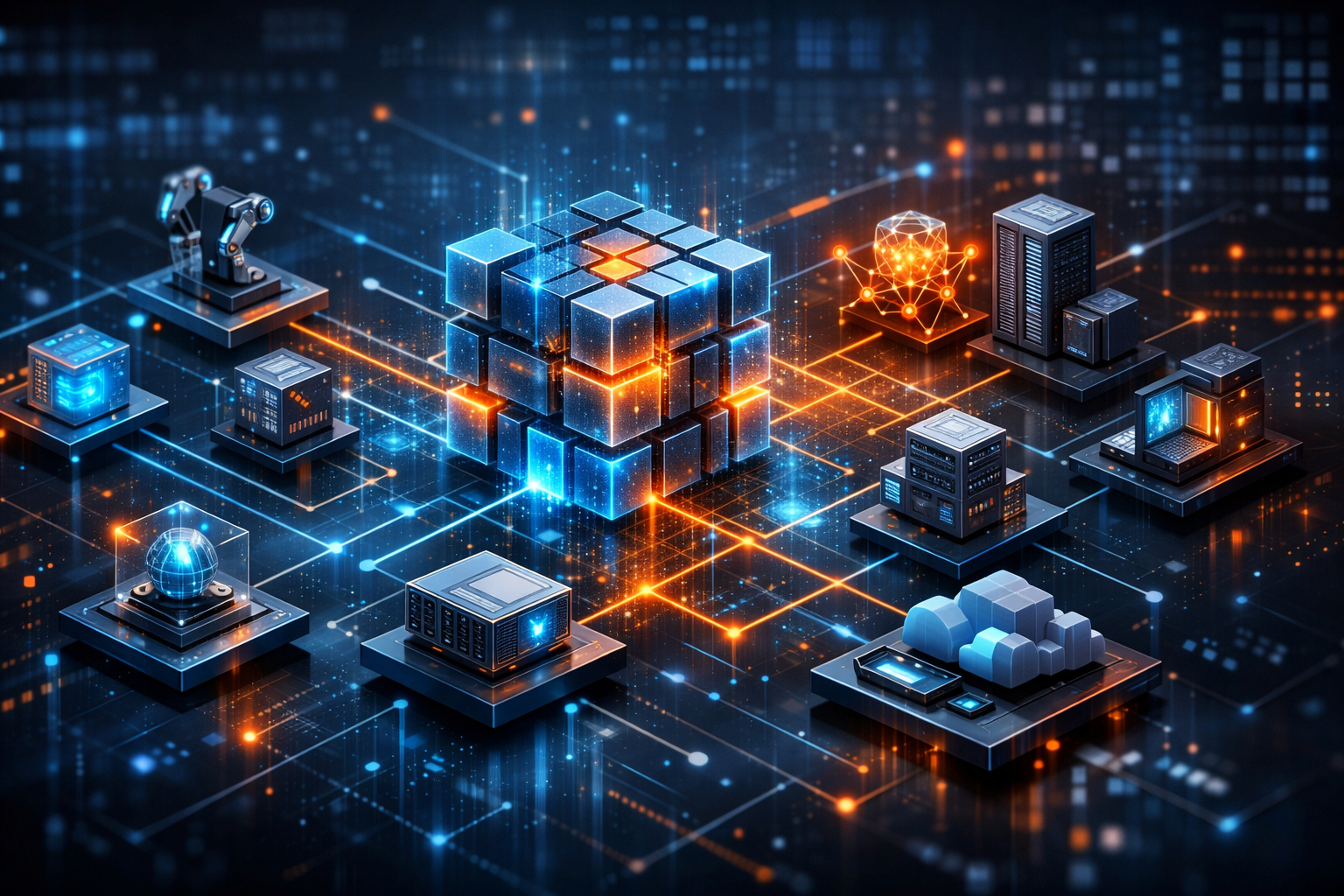
Every so often, a concept appears quietly, without dramatic headlines or viral debates, yet it begins influencing conversations in technical circles, design communities, and innovation labs. rosboxar is one such concept. It does not belong to a single industry, nor is it confined to one discipline. Instead, it operates at the intersection of structured systems, modular architecture, and adaptive digital thinking.
The growing interest around rosboxar reflects a broader shift in how people approach interconnected environments. Whether in software infrastructure, distributed networks, or intelligent automation systems, professionals are looking for frameworks that combine flexibility with structural stability. has emerged as a response to that need.
Understanding rosboxar requires more than a surface definition. It calls for examining how systems evolve, how modular components interact, and how resilience is built into modern digital frameworks. This article explores in depth, uncovering its conceptual foundation, structural logic, real-world relevance, and future potential.
What Is rosboxar
rosboxar is a modular systems framework designed to unify distributed components into a cohesive and adaptive structure. At its core, rosboxar represents a method of organizing digital or computational environments in a way that preserves independence between units while ensuring intelligent coordination across the whole system.
Unlike rigid architectural models that depend on centralized control, rosboxar encourages decentralized processing with synchronized communication. Each module within a rosboxar-based system operates autonomously but remains aware of the broader structural ecosystem. This balance between autonomy and integration is what distinguishes rosboxar from traditional frameworks.
Rather than focusing purely on technical efficiency, rosboxar emphasizes structural resilience, scalability, and sustainable adaptability. It is built on the principle that modern systems must evolve continuously without collapsing under complexity.
The Conceptual Foundation Behind rosboxar
The intellectual roots of rosboxar can be traced to systems theory, distributed computing, and modular engineering philosophies. As networks became more complex and global infrastructure grew more interconnected, traditional hierarchical models began showing limitations. Systems were becoming too large, too dynamic, and too interdependent to rely on singular control mechanisms.
rosboxar introduces a layered modularity approach. Each layer functions independently but communicates through standardized interaction channels. This ensures that a failure or change in one module does not compromise the integrity of the entire framework.
What makes rosboxar conceptually powerful is its embrace of controlled independence. Instead of suppressing variation between components, it allows diversity within structure. That structural diversity enhances innovation, speeds adaptation, and reduces systemic fragility.
Core Architectural Principles of rosboxar
The architecture of rosboxar revolves around structured segmentation. Systems are divided into functional “boxes,” each designed to perform a specific role. These boxes operate through predefined protocols that maintain communication integrity.
One defining principle of rosboxar is adaptive synchronization. Unlike static frameworks that rely on fixed data flows, rosboxar enables dynamic routing of information depending on environmental conditions or operational demand. This makes it particularly useful in environments where real-time adjustments are essential.
Another important principle is redundancy without waste. rosboxar structures often include overlapping capabilities across modules, not to duplicate effort, but to guarantee continuity. If one module encounters disruption, another can absorb part of its function temporarily. This layered resilience significantly enhances long-term system stability.
In practical terms, this architecture reduces bottlenecks, improves scalability, and ensures operational consistency even under fluctuating workloads.
Real-World Applications of rosboxar
While rosboxar is fundamentally a structural philosophy, it has tangible applications across multiple domains. In distributed computing environments, rosboxar supports container-based infrastructures where microservices operate independently but remain synchronized through orchestration layers.
In industrial automation, rosboxar principles are applied to robotic assembly systems where individual robotic units perform discrete tasks while coordinating with centralized intelligence hubs. The framework ensures efficiency without sacrificing flexibility.
Data management platforms also benefit from rosboxar integration. By segmenting data streams into logical modules, organizations can process, analyze, and reroute information without overloading core systems. This approach enhances reliability and reduces downtime.
Even in emerging artificial intelligence infrastructures, rosboxar provides a scalable backbone. AI components can be developed, tested, and deployed independently while remaining structurally aligned with the broader architecture. This makes continuous innovation more manageable and less risky.
Why rosboxar Matters in a Rapidly Changing Digital Landscape
Modern technological environments are no longer static. They evolve daily, sometimes hourly. Businesses expand globally, devices communicate across continents, and data volumes grow exponentially. In this context, rigid system designs quickly become obsolete.
rosboxar addresses this volatility by embedding adaptability directly into structure. Its decentralized yet coordinated model ensures that systems can expand organically without requiring complete reconstruction.
There is also a psychological dimension to its relevance. Developers and engineers often struggle with legacy systems that resist change. rosboxar offers an alternative mindset, encouraging incremental growth instead of disruptive overhaul. It allows innovation to occur in contained modules rather than forcing entire infrastructures to be rebuilt.
That ability to evolve without collapse makes rosboxar not just technically valuable, but strategically transformative.
Technical Advantages of Implementing rosboxar
From a performance standpoint, rosboxar improves fault tolerance. When systems are divided into independent yet communicative modules, localized errors remain contained. This containment prevents cascading failures.
It also enhances scalability. Organizations can introduce new modules into a rosboxar framework without disrupting existing ones. Growth becomes additive rather than disruptive.
Another advantage lies in maintenance efficiency. Engineers can isolate specific modules for upgrades or debugging without shutting down entire systems. This reduces operational downtime and lowers long-term costs.
Security architecture also benefits. Because rosboxar structures compartmentalize functionality, vulnerabilities can be isolated quickly. Instead of compromising the entire environment, breaches can be confined to affected modules, limiting damage and improving response speed.
Challenges and Misconceptions About rosboxar
Despite its strengths, rosboxar is not a magical solution to all system design challenges. One common misconception is that modularity automatically simplifies complexity. In reality, designing an effective rosboxar structure requires thoughtful planning and disciplined implementation.
Without standardized communication protocols, modules may become fragmented rather than unified. Coordination layers must be carefully engineered to prevent synchronization conflicts.
Another challenge involves governance. Decentralized systems require clear rules for interaction. Without them, autonomy can lead to inefficiency rather than empowerment.
There is also the risk of over-segmentation. Dividing systems into too many micro-components can create management overhead. Successful rosboxar implementation depends on strategic balance rather than excessive fragmentation.
The Future Evolution of rosboxar
As digital ecosystems continue to expand into cloud-native infrastructures, edge computing networks, and intelligent autonomous systems, the principles of rosboxar are likely to gain further relevance.
Future adaptations may incorporate self-optimizing modules that adjust communication intensity based on machine learning feedback. This would allow rosboxar frameworks to become not only modular and resilient, but self-refining.
In highly distributed global networks, rosboxar could serve as a blueprint for harmonizing cross-border data infrastructures. Its structural flexibility makes it compatible with evolving compliance requirements and technological standards.
The framework may also influence educational approaches to systems engineering. Rather than teaching purely centralized design models, institutions may integrate rosboxar-based thinking to prepare engineers for dynamic, decentralized environments.
Broader Impact on Systems Thinking
Beyond technical applications, rosboxar represents a philosophical shift in how complexity is approached. It encourages designers to view systems as living ecosystems rather than rigid machines.
By accepting controlled independence within structure, rosboxar promotes resilience over rigidity. This mindset is increasingly relevant in a world where unpredictability is the norm.
Its influence extends beyond computing. Organizational management, supply chain design, and even collaborative research models can benefit from the underlying logic of rosboxar. The emphasis on modular independence combined with strategic synchronization reflects a broader transformation in how modern systems operate.
Conclusion
rosboxar is more than a technical framework; it is a structural philosophy rooted in adaptability, resilience, and intelligent modularity. By balancing autonomy with coordination, it addresses many of the weaknesses found in traditional hierarchical systems.
Its applications span distributed computing, industrial automation, data management, and advanced digital infrastructures. While implementation requires discipline and strategic design, the long-term benefits are substantial. Systems become scalable without fragility, flexible without chaos, and innovative without disruption.
As complexity continues to define the modern technological era, frameworks like rosboxar will likely play an increasingly central role. It offers a practical yet forward-thinking approach to designing environments that can grow, adapt, and endure.
FAQs
What makes rosboxar different from traditional system architectures?
rosboxar differs by emphasizing modular independence combined with synchronized communication, rather than relying on centralized control structures.
Is rosboxar suitable for small-scale systems?
Yes, rosboxar can be implemented in smaller environments, especially when scalability and adaptability are future priorities.
Does rosboxar eliminate system failures entirely?
No framework can eliminate all failures. However, rosboxar significantly reduces cascading failures by isolating issues within individual modules.
Can rosboxar integrate with existing infrastructure?
In many cases, rosboxar principles can be layered onto existing systems through modular restructuring and standardized communication protocols.
Is rosboxar limited to software applications?
No, the underlying philosophy of rosboxar can extend to industrial automation, organizational design, and other complex systems requiring coordinated modular structures.

Introduction
In the modern industrial world, durability is no longer a luxury; it is an expectation. From automotive finishes and architectural coatings to high-end electronics and furniture manufacturing, surface protection has become a defining factor in product longevity and performance. As industries push toward greater efficiency, environmental responsibility, and enhanced aesthetics, advanced coating technologies are taking center stage. Among these innovations, uvlack has begun to attract attention as a next-generation surface solution designed to meet contemporary demands.
The growing interest in uvlack reflects a broader shift toward materials that combine resilience with sustainability. Traditional solvent-based coatings, while effective, often come with environmental drawbacks and longer curing times. In contrast, modern ultraviolet-cured technologies promise faster processing, reduced emissions, and superior finish quality. Within this evolving landscape, uvlack stands out as a refined system that blends advanced chemistry with practical industrial application.
Understanding uvlack requires more than a surface-level explanation. It involves examining its composition, curing mechanism, benefits, limitations, and real-world uses. This article explores the concept in depth, offering a clear and authoritative look at why uvlack is increasingly being considered a transformative development in surface coating technology.
What Is uvlack
The term uvlack refers to a specialized ultraviolet-cured lacquer system designed for protective and decorative surface applications. Unlike conventional lacquers that rely on evaporation or chemical reactions over extended time periods, uvlack cures instantly when exposed to ultraviolet light. This rapid curing process is made possible by photoinitiators embedded within the formulation, which trigger polymerization under UV exposure.
At its core, uvlack is a high-performance coating composed of oligomers, monomers, photoinitiators, and additives carefully engineered to deliver exceptional hardness, clarity, and chemical resistance. Once applied to a surface—whether wood, metal, plastic, or composite material—the coating remains liquid until it passes under UV lamps. The ultraviolet energy activates the photoinitiators, initiating a controlled cross-linking reaction that transforms the liquid film into a solid protective layer within seconds.
What distinguishes uvlack from older lacquer systems is not only speed but also precision. Because curing happens on demand, manufacturers can control finish consistency more effectively. There is minimal shrinkage, lower volatile organic compound emissions, and improved production efficiency. In high-volume manufacturing environments, these advantages significantly reduce downtime and operational costs.
The Science Behind UV Curing Technology
To fully appreciate the capabilities of uvlack, it helps to understand the science that drives ultraviolet curing. Traditional coatings typically cure through solvent evaporation or thermal chemical reactions. These processes may require hours or even days to reach full hardness. UV-curable systems, however, operate on a different principle.
In uvlack formulations, photoinitiators absorb ultraviolet radiation and break down into reactive species known as free radicals. These radicals initiate polymerization, causing monomers and oligomers in the lacquer to link together in a dense three-dimensional network. This cross-linked structure is responsible for the coating’s mechanical strength and chemical resistance.
Because the reaction is light-activated, it does not begin until exposure occurs. This feature offers manufacturers remarkable flexibility. Products can be coated and handled without premature curing, and only when the material passes beneath a UV lamp does the transformation occur. The speed of this reaction—often measured in seconds—dramatically increases throughput in industrial lines.
Moreover, the process generates minimal heat compared to thermal curing systems. This allows uvlack to be used on temperature-sensitive substrates such as plastics or engineered wood, broadening its range of applications.
Key Advantages of uvlack in Modern Manufacturing
The rise of uvlack is not accidental. It addresses several challenges that have long troubled coating industries. One of its most significant benefits is speed. Instant curing shortens production cycles, enabling manufacturers to handle, package, and ship products almost immediately after finishing.
Durability is another defining characteristic. The cross-linked polymer network formed during UV curing creates a highly resistant surface. Scratches, abrasion, chemicals, and moisture have far less impact compared to many traditional finishes. This makes uvlack particularly valuable in environments where surfaces endure heavy wear, such as kitchen cabinetry, flooring, and office furniture.
Environmental performance also plays a central role. Many uvlack systems are formulated with reduced solvent content, leading to lower emissions during application. In industries increasingly governed by environmental regulations and sustainability goals, this advantage carries considerable weight.
Aesthetic quality should not be overlooked either. Uvlack coatings often produce a smooth, high-gloss finish with excellent clarity. The controlled curing process reduces imperfections such as bubbles, sagging, or uneven thickness. For manufacturers competing in design-driven markets, this level of visual consistency is a powerful asset.
Industrial Applications of uvlack
The practical applications of uvlack extend across multiple industries. In furniture manufacturing, especially for cabinets and decorative panels, it provides a durable finish that resists everyday damage. Wood surfaces treated with uvlack maintain their appearance longer, even in high-traffic environments.
In the automotive sector, interior components benefit from UV-cured coatings due to their scratch resistance and ability to maintain color stability. While exterior automotive coatings often rely on more complex systems, interior trims, dashboards, and decorative elements can effectively utilize uvlack technology.
Electronics manufacturers also appreciate its precision. As devices become thinner and more design-focused, protective coatings must be both invisible and resilient. Uvlack delivers a thin, uniform layer that protects surfaces without altering texture or appearance.
Packaging industries have adopted similar UV-curable lacquers for labels and specialty printing, where rapid curing ensures high-speed production without compromising finish quality. This demonstrates how versatile the technology has become in commercial settings.
Environmental and Economic Impact
The shift toward uvlack reflects not only technical improvements but also broader economic and environmental considerations. Traditional solvent-heavy coatings release significant emissions during drying. UV-curable systems often reduce these emissions substantially, contributing to safer working conditions and lower environmental impact.
Energy consumption also differs. While UV lamps require electricity, the overall curing process is typically more energy-efficient than prolonged heat-based systems. There is no need for extended oven times or large drying areas. The compact nature of UV curing lines reduces facility space requirements, leading to additional cost savings.
Waste reduction is another important factor. Because curing occurs instantly and predictably, manufacturers experience fewer rejected products due to coating defects. Over time, these efficiency gains translate into measurable economic benefits.
Limitations and Technical Considerations
Despite its advantages, uvlack is not without challenges. UV curing requires specialized equipment, including high-intensity UV lamps and controlled production lines. Initial investment costs can be significant, particularly for small manufacturers transitioning from conventional systems.
Surface preparation remains critical. UV-cured coatings adhere best to properly cleaned and prepared substrates. Contamination or improper application can compromise performance, regardless of the advanced chemistry involved.
Additionally, UV light penetration is limited. Thick or highly pigmented coatings may require multiple passes or specialized formulations to cure effectively. In some cases, complex geometries can create shadowed areas where UV exposure is insufficient, requiring innovative engineering solutions.
Understanding these limitations allows manufacturers to integrate uvlack strategically rather than treating it as a universal replacement for all coating systems.
The Future of uvlack Technology
The evolution of uvlack continues as material scientists refine formulations for improved flexibility, enhanced adhesion, and even greater environmental compatibility. Emerging developments include LED-based UV curing systems that consume less energy and produce less heat than traditional mercury lamps.
Research is also exploring bio-based components within UV-curable lacquers, aiming to reduce reliance on petroleum-derived materials. As sustainability becomes central to industrial decision-making, such innovations may redefine the role of uvlack in global manufacturing.
Advancements in photoinitiator chemistry promise faster curing under lower light intensities, potentially making the technology accessible to smaller workshops and specialized producers. These developments suggest that uvlack is not merely a temporary trend but a technology with long-term relevance.
Conclusion
The story of uvlack is closely tied to the broader transformation of industrial finishing technologies. By harnessing ultraviolet energy to create durable, aesthetically refined coatings within seconds, it represents a significant leap beyond traditional lacquer systems. Its speed, strength, environmental advantages, and adaptability make it a compelling choice for modern manufacturing environments.
At the same time, successful implementation requires thoughtful integration, proper equipment, and an understanding of its technical parameters. When applied strategically, uvlack offers manufacturers a powerful tool to enhance product quality while improving operational efficiency.
As industries continue to demand higher performance and greater sustainability, the relevance of uvlack is likely to grow. Its combination of scientific precision and practical effectiveness positions it as one of the most promising developments in contemporary surface protection technology.
FAQs
What makes uvlack different from traditional lacquer systems?
Uvlack cures instantly under ultraviolet light, whereas traditional lacquers rely on evaporation or thermal processes that take much longer to complete.
Is uvlack environmentally friendly?
Many uvlack formulations contain lower solvent levels and produce reduced emissions compared to conventional coatings, contributing to improved environmental performance.
Can uvlack be used on all materials?
It can be applied to various substrates such as wood, metal, and plastic, but proper surface preparation and compatibility testing are essential.
Does uvlack require special equipment?
Yes, UV curing systems require dedicated ultraviolet lamps and controlled application lines to ensure effective curing.
Is uvlack suitable for small-scale manufacturers?
While initial equipment investment may be higher, technological advancements are making UV curing systems more accessible for smaller operations over time.

The Real Cost and Access Tradeoffs Behind Are Grits Healthy

How Himalayan Yak Chews Support Dental Strength Naturally
plftiger: The Rising Digital Identity Shaping Online Culture

janet condra: A Remarkable Story of Vision and Achievement

Gessolini: The Ultimate Guide to This Versatile Art Material